#4Fashion/Health--Skin Beauty
- Ofon Ufot --Ofonmbuk Ufot

- Oct 25, 2024
- 3 min read
Updated: Jun 1, 2025
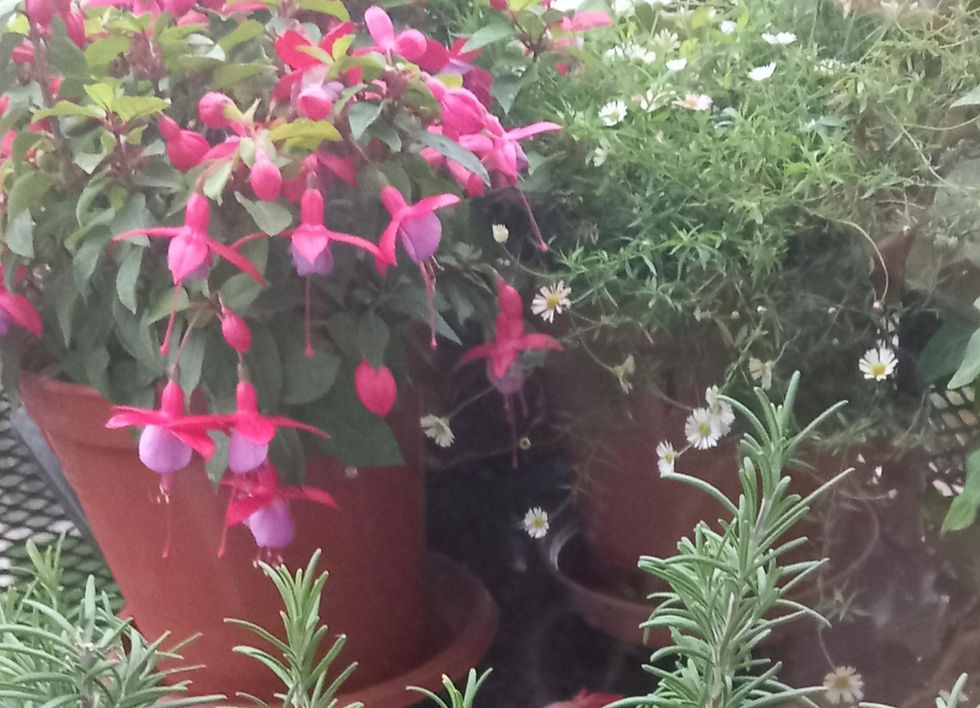
Our skin is like flower, when we treat it well, it blossoms. The more we feed it with the right products the longer it stays radiant and healthy.
Maintaining a healthy skin, therefore, requires a daily routine with products that are gentle to the skin not harsh or abrasive. It's important to search for natural products that promote youthful appearance. Soap has a drying agent, it is not advisable to use. It does not have to be an expensive cleanser either.
I remember my grandmother's garden with a portion where she grew herbs and roots for beauty treatment. There were no ready-made cosmetics in the village so the women had to produce everything they needed. I still remember her turmeric garden and lime tree.
It was the responsibility of the older women to prepare the young women to embrace their new role as wives or for childbirth by applying special products that enhanced the skin texture and promoted healthy radiant skin. She was encouraged to look good for her husband. Knowledge of special products for removing stretch marks and other effects caused by pregnancy were taught.
Home made facial masks and body wax which gave beautiful polished look to the skin were prepared and she was taught how to prepare and apply.
Turmeric mixed with white sea clay and herbs with lime were used as wax to clear the skin of blackheads and blemishes. She was pampered and given less task for the period leading to her wedding and after childbirth. There was a custom that she was not to be out until after three months to keep the baby safe.
Getting the bride ready before her wedding day involved her relocating to live with an elderly mentor if she had no mother able to support; who would source and make the skin products which was needed for a radiant and glowing appearance.
During the time she was in training, was taught different recipes that she would prepare when the baby arrived. The health of the bride was important because it was a known fact that if the mother was healthy, the baby would also be healthy.
The classes lasted till the baby was six months with guidance on how nutritional meals are prepared for the baby--food that promote healthy teeth and strong bones.
The young woman was also taught how she would be a good wife and make her husband happy, by her contributions to the family.
#Skills for managing her home
Courses included pottery making [cooking and water pots and eating bowls, carving of household items such as wooden cooking spoons and mat and basket weaving]. The training was a way of boosting her confidence armed with knowledge of how to deal with her new responsibility as manager of her home and be resourceful.
#Dealing with Disagreements
Part of the lessons taught was how to deal with issues between husband and wife by referring concerns to the elders for early resolution to avoid problems and marriage breakdown. My grandparents were often tasked with this role, as their support to the community involved dealing with family issues. Unfortunately, as people became more 'educated' most gave up on such support.
That was why it used to be said that in Africa, you don't marry an individual but the whole family and the village raise the child.
Sadly, most of those positive cultural contributions are no longer valued as it was in the past.
It was an opportunity for young women to learn the Bible, as they were taught basic literacy and other skills if they were unable to go to school.
Copyright--Ofonmbuk Ufot--2024


Comments